
Your roof is an important fundamental and structural element of your home. It protects you and your family, along with your belongings, from harsh weather or other external elements that can cause harm and damage. However, it is not something many think about until a problem arises. Waiting until there is an issue to think about and repair damage is an oversight that can lead to expensive repairs and add unnecessary stress to your life.
Knowing when you get a new roof is not always easy and obvious to spot. Many roofs age gracefully, with only minor problems appearing at first, making it difficult to see and understand exactly what is going on. In this guide from NEXGEN Roofing, we will break down how to identify the early warning signs of wear and tear, red flags to look out for, and when it is time to invest in your roof.
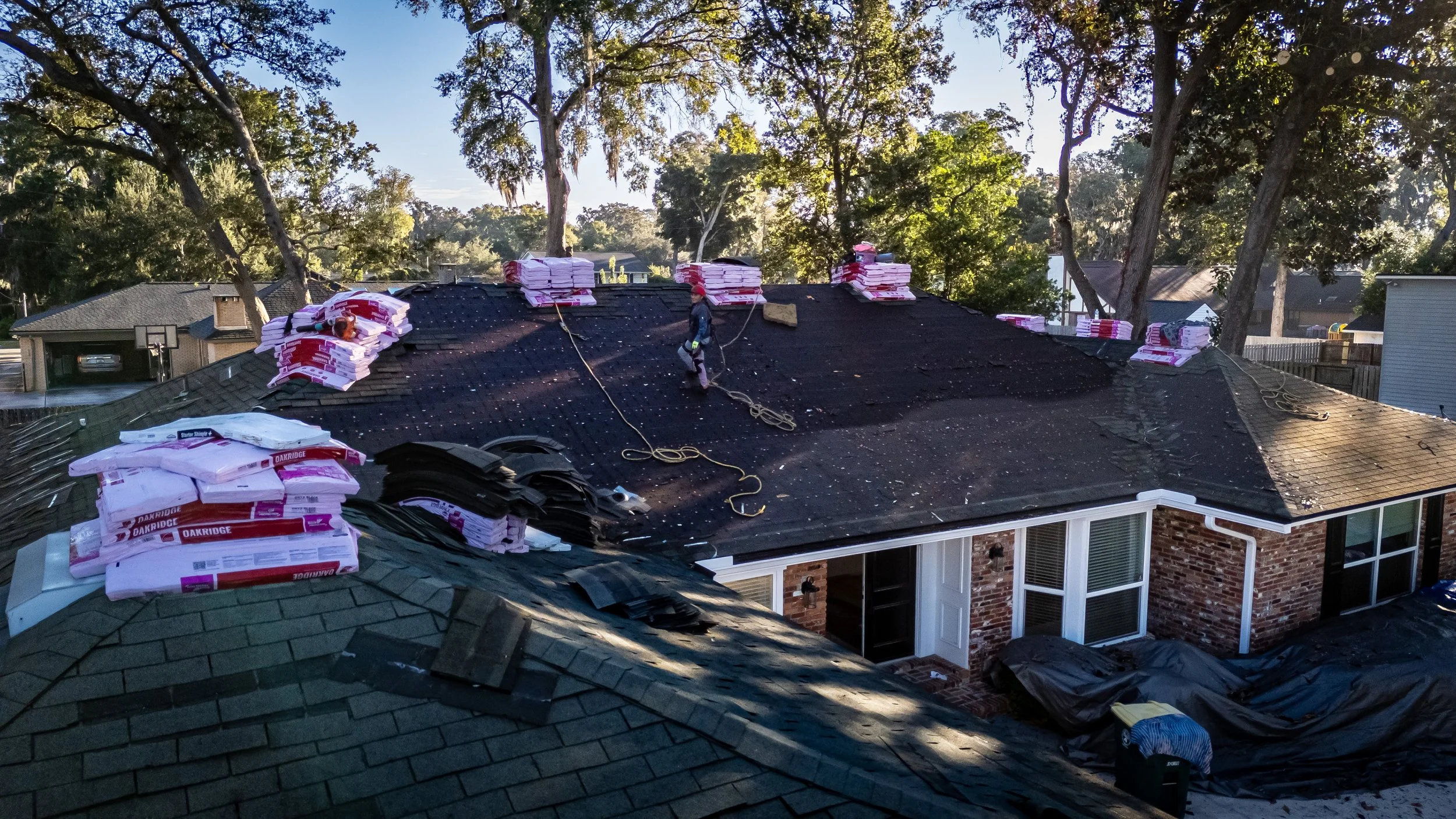
Signs of Wear and Tear
Even a properly installed and properly functioning roof will eventually wear over time. The average roof will last between 15 to 30 years, depending on the type of materials used, so it is natural and expected that signs of wear and tear will begin to appear. While these early signs are not an immediate cause for an entire roof replacement, they can serve as warning signs that you should consider a roof repair or full replacement. One of the most visible and early signs of aging is shingle curling or cracking. This curling is most often caused by high sun exposure and/or poor attic ventilation. Cracking mostly occurs due to age, when shingles dry out over years of use and weather exposure. Another sign of wear is asphalt shingle granule loss. As your roof is subjected to high heat and heavy rain, granules can gradually wear away. Over time, this granule wear will leave bald areas on your shingles, and you may notice granule buildup in your downspouts and gutters.
Leaks and water stains are also a common and more obvious sign of wear and tear. While you may think a small leak can be patched up with some tape, it can be a sign of an underlying bigger problem. Leaks and stains can be a clue that your shingles or flashing are weakening which can lead to insulation or structural damage in your home. Additionally, leaks and moisture buildup often lead to mold, moss, and algae growth on your shingles or even within the structure of your home. This moisture buildup and growth will degrade your shingles over time, leading to expensive repairs in the future.
Finally, even if your roof is functioning well with no visible signs of damage, look to see how old it is. As mentioned earlier, the average roof lasts between 15 to 30 years. If you know that your roof is nearing this range (or are unsure altogether), schedule a free roof inspection to ensure that your roof is still stable and also plan for a future roof replacement.
Assessing Roof Damage
Normal wear and tear is to be expected, but even seemingly small damage can be indicative of a more serious issue. Arming yourself with the proper knowledge and knowing how to tell if your roof needs replacement is vital in keeping your stress levels low as a homeowner.
After a major storm in your area like a hurricane, you may have some clean-up to do after the fact. Strong storms can bring high winds and hail that can damage the shingles on your roof that you may not be able to spot from the ground. While doing your clean-up, look for any shingles that may be scattered around your yard and schedule a free roof inspection to ensure that there is no bruising, dents, or other damage to your shingles.
Additionally, look for any signs of damage to your flashing. Flashing helps to protect the seams around your chimney and vent pipes, ensuring proper ventilation and protection against water damage. If you notice that any part of your flashing is cracked, rusted, or is separating, take the proper steps to have them repaired or replaced in a time efficient manner. Failing to properly resolve the problem can lead to ventilation problems which result in mold growth or insulation issues.
Taking the proper steps to assess any roof damage, especially after a major storm or other weather event, including looking at shingles, flashing, and ventilation, can help you address repairs quickly, saving you money in the long run.
Red Flags To Watch For While the signs of normal wear and tear are to be expected, larger areas of damage and other warning signs require immediate attention. Some major areas of concern include:
● Large or repeated leaks: If you notice large leaks or leaks that are recurrent even with minor repairs, you need to address the underlying damage. This water damage can result in significant damage if not addressed quickly.
● Sagging rooflines: Noticeable sagging is a signal of structural damage from rot, moisture accumulation, or other issues. Contact a professional roofing contractor to have the damage repaired.
● Missing or significantly damaged shingles: If you have areas of your roof missing shingles or other dents, you are putting your home at risk of further damage. When your roof is not in its optimal condition, this means your roof is not effectively protecting your home.
● Mold, mildew, or other water damage: The most noticeable red flag to watch out for is signs of mold, mildew, or water damage such as bubbling paint, stains on the walls, or wet insulation.
Knowing When It’s Time
Every homeowner will need to decide between replacing or repairing their roof, but which is the correct decision for your home? Deciding on one of these options depends on a few factors including the type and the extent of your roof damage and its age.
If you know that your roof is nearing the end of its expected lifespan, a full replacement may be more cost-effective in the long run. While minor repairs can extend your roof’s life temporarily, a full replacement will ensure that your roof is built to last at least another 15 years. Furthermore, if you have minor issues, repairs should do the job. However, any extensive damage (especially if it is over 25% of the roof), should be entirely replaced for structural integrity and longevity.
Another area to consider is if you are looking to resell your home in the near future. A new roof could add significant value to your home’s property value, meaning you could sell your home for more. Additionally, you guarantee that your roof will pass any inspections it may have during the buying process.
Timing for Replacement
Once you have determined that you are ready for a roof replacement, you need to decide on the best time for your schedule and budget.
The spring and fall are the best times of year for a replacement due to more predictable and stable weather. While Florida does have an advantage in that winter is milder compared to more northern states, there can still be sudden and unpredictable cold snaps. Roof replacements are easier to complete in the spring and fall, but it is a busier season for roofing contractors, so plan ahead and schedule your roof replacement early if possible.
However, if an emergency arises, do not delay scheduling your replacement for the optimal season. Delaying replacement can cause roof damage to be worse, costing you more money.
Roof Replacement Guide
Now that you have your roof replacement scheduled, you may be wondering what the process looks like. You should expect:
● Roof inspection: Before work starts, your roofing contractor will conduct an inspection to evaluate your current roof, noting any issues or other problems they see. This will allow them and the homeowner to understand the larger scope of the project.
● Choosing the right materials for your budget: Once the inspection is complete, your contractor will sit down with you to discuss the different types of materials available for your project and budget. Whether you choose traditional asphalt shingles, a metal roof, or go for something more stylish such as tile or slate, you can rest assured that you will have the right materials that fit your aesthetic and budget.
● Determining your project timeline: Many roof replacements take 1-3 days, but some materials such as tile may take a little longer. Your contractor will be able to lay out a proper timeline, keeping in mind material availability and weather.
● Warranties and guarantees: A reputable roofing contractor will have manufacturer warranties and guarantees which not only cover for damage but provide you with peace of mind.
● Work begins and is completed: After all the details are ironed out and agreed upon, work on your home will begin and a new roof will be installed in accordance with your timeline.
Repairing or replacing your roof is a large undertaking, but it does not need to be stressful or confusing. By knowing the signs of wear and tear and red flags to look out for, you can stay on top of any damage your roof may have and spot issues before they become a major problem (and financial headache).
Whether you are looking for home roof repairs or an entire roof replacement, hiring a trusted roofing contractor is essential. At NEXGEN Roofing, we are committed to providing our customers with a premium product with a high level of customer service. If you have any questions or are considering repairing or replacing your roof, reach out to a member of our team today to get started!